- Insights
Supporting Officer Financial Wellness: The Power of Guaranteed Pay for Off-Duty Details
Supporting Officer Financial Wellness: The Power of Guaranteed Pay for Off-Duty Details
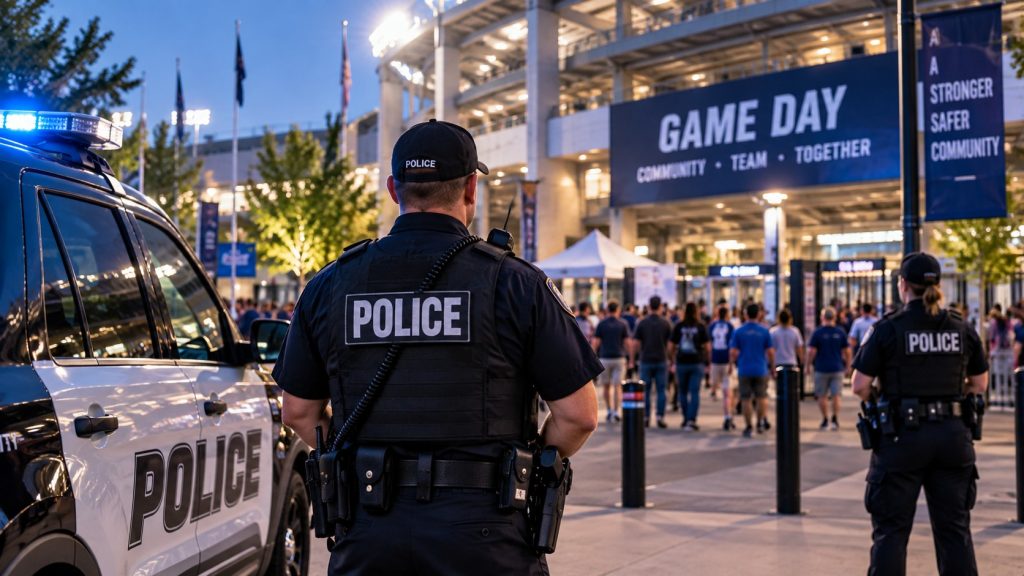
First responders take on off-duty details, road jobs, and special event security to provide vital community presence and earn supplemental income for their households. Whether covering a late-night utility excavation, managing traffic around a crowded stadium, or safeguarding a civic festival, officers dedicate their personal time to keep community spaces orderly and secure.
However, the administrative mechanisms behind how officers receive that compensation often introduce unexpected friction. In traditional extra duty setups, an officer works a shift and then must wait – sometimes weeks or even months – for the private vendor to remit payment to the city or county before their earnings are processed.
When private entities delay their payments, officers effectively become unsecured creditors for shifts they worked in good faith. Implementing a guaranteed officer payment model removes this operational hurdle, protecting departmental morale, supporting financial wellness, and simplifying agency administration.
The Unintended Cost of “Pay-When-Paid” Systems
Many municipal and county extra duty setups operate on a “pay-when-paid” basis: the agency or municipality invoices the private client and waits for the funds to clear before disbursing the money into the officer’s paycheck. While this protects the municipal budget from cash shortfalls, it shifts the financial risk directly onto the individual first responder.
This creates several distinct challenges across the department:
- Unpredictable Personal Budgeting: First responders often utilize extra duty earnings to cover seasonal family expenses, tuition, or personal savings goals. Erratic payment cycles make household planning difficult and introduce avoidable stress.
- Erosion of Program Participation: When officers experience substantial delays receiving their earnings, their willingness to sign up for open details drops. This leaves critical road construction sites and local event details unfilled, straining relationships with local contractors and civic partners.
- Administrative Drag on Internal Staff: When paychecks are delayed, officers naturally seek answers from agency timekeepers, detail clerks, or payroll coordinators. Sworn supervisors and administrative staff spend valuable hours researching individual invoices and answering payment inquiries rather than focusing on core department operations.
Understanding the Guaranteed Pay Model
A guaranteed payment model replaces the unpredictability of vendor-dependent disbursements with a structured, dependable pay cycle.
Under this operational model, the administrative partner assumes the financial float.
Regardless of whether a commercial contractor pays within 30 days, takes 90 days, or disputes an invoice, the officer receives their agreed-upon compensation during their regular pay cycle. The financial responsibility of underwriting and collecting accounts receivable shifts entirely away from the officer and the department to the administrative partner.
How Guaranteed Pay Strengthens Agency Operations
Adopting a guaranteed payment framework provides immediate benefits that extend from frontline personnel to executive command staff:
1. Supporting First Responder Financial Wellness
Financial predictability is an essential component of overall officer wellness. When first responders know exactly when their detail pay will arrive, financial stress is reduced. Eliminating payment uncertainty allows officers to focus fully on their situational awareness and operational duties while on shift.
2. Higher Shift Fulfillment and Partner Satisfaction
When payment reliability is guaranteed, officer engagement in voluntary details increases. Agencies transitioning to guaranteed pay models consistently see higher shift fill rates for municipal road jobs, commercial construction, and community events. Local contractors and event organizers benefit from reliable staffing without delay, strengthening working relationships between public safety and the local business community.
3. Protection for Municipal and County Budgets
In an internal program, uncollected vendor bills can leave finance directors with bad debt or force difficult choices regarding unpaid shifts. Under an external guaranteed pay model, the third-party administrator assumes the financial and administrative liability for delinquent accounts. Municipalities and sheriff’s offices avoid budget deficits without spending public tax dollars on collection agencies or legal disputes.
4. Real-World Field Proven Results
Agencies across the country have adopted this approach to resolve long-standing administrative friction:
- At the Middlesex County Sheriff’s Office in Massachusetts, deputies previously contended with notable payment delays under a manual invoicing setup. Transitioning to a model where the partner floats payments ensured deputies were paid consistently during regular pay periods, while customers funded the administrative costs.
- A major university police department in the South previously struggled to attract external mutual aid officers for large campus stadium events due to complex payroll tracking across institutions. Partnering with an administrator to guarantee prompt, direct payments resolved the issue and improved officer retention and staffing reliability.
Key Questions Command Staff Should Ask Prospective Providers
If your department is considering transitioning to an external extra duty administrator, payment integrity must be thoroughly vetted. Ensure you ask prospective partners these critical questions before moving forward:
- Do you guarantee officer payment if the client defaults? Verify whether the provider absorbs bad debt or passes delinquent client losses back to the agency or officer.
- Does your pay cycle align with our agency’s schedule? Ensure their disbursement timing integrates smoothly with your existing bi-weekly, weekly, or monthly payroll workflows.
- Are there hidden fees deducted from officer earnings? Confirm that officers receive 100% of their established pay rate without platform access charges, direct deposit fees, or check processing deductions.
- Can you document your on-time payment track record? Request references from active client agencies – specifically speaking with agency finance officers or command staff – to confirm that payroll has been disbursed on time without disruption.
Fostering Trust Through Reliable Processes
Off-duty details are an essential bridge between public safety personnel and community operations. The officers and first responders who take on these assignments deserve administrative processes that respect their time and service.
By eliminating payment delays and establishing guaranteed compensation, leadership can cultivate trust across the ranks, streamline back-office operations, and ensure their agency remains an attractive, supportive environment for dedicated personnel.
Executive Key Takeaways
- Eliminate Unsecured Creditor Status: First responders should never be forced to wait for private vendor payments to clear before receiving their earned compensation.
- Direct Morale Boost: Consistent, predictable pay cycles reduce household stress and significantly enhance participation in voluntary details.
- Shift Financial Risk: Professional administrators assume collection float and bad debt risk, fully insulating municipal and departmental accounts.
- Transparent Verification: Always confirm that prospective administrative partners absorb payment float without deducting fees from officer earnings.
Ready to explore how a guaranteed pay model can streamline your agency’s extra duty operations? Contact the Extra Duty Solutions team today to learn how our float-backed payroll keeps your personnel paid on time, every time.