- Insights
Insurance Clarity for Public Safety: Protecting Officers and Municipalities During Extra Duty
Insurance Clarity for Public Safety: Protecting Officers and Municipalities During Extra Duty
Every time a sworn law enforcement officer, firefighter, or paramedic puts on the uniform to work a secondary employment detail, they bring with them official authority, municipal equipment, and community expectations.
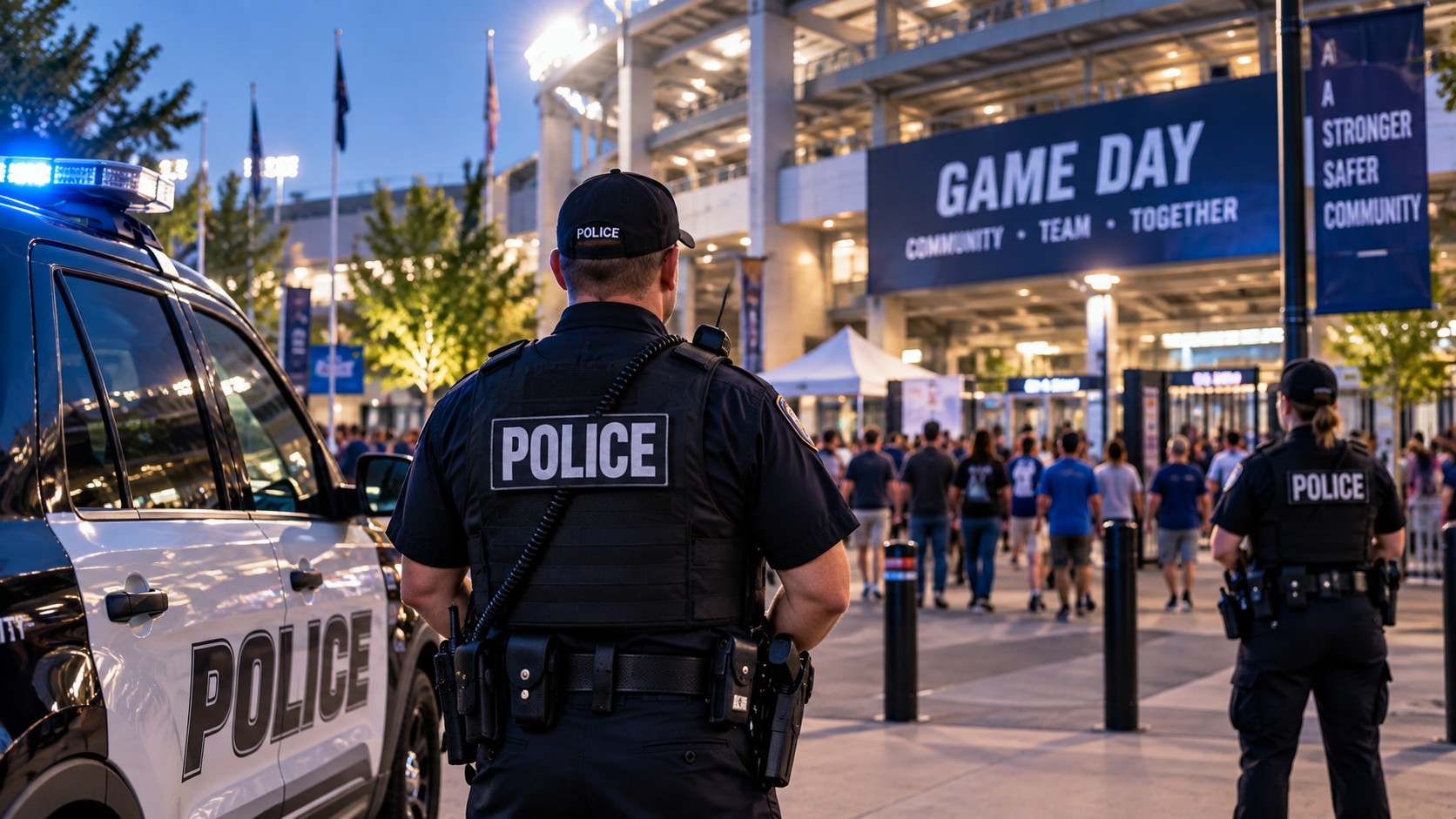
Whether directing heavy traffic through an interstate utility zone, managing crowds outside a major sporting venue, or providing visual deterrence at a retail center, the potential for unexpected incidents ranging from slip-and-fall injuries to motor vehicle accidents and use-of-force interactions is always present.
Yet when agencies evaluate their extra duty programs, insurance is frequently one of the most misunderstood and overlooked operational components. Many command staff and city managers operate under the assumption that having “an insurance certificate on file” from a vendor or third-party provider means the agency is fully protected.
In reality, standard commercial insurance policies often contain critical exclusions that leave municipalities and first responders exposed when claims occur. Understanding the specific legal language required in public safety insurance programs is essential to safeguarding municipal budgets and frontline personnel.
The Hidden Gaps in Generic Commercial Insurance
Generic business liability policies are designed for standard commercial enterprises, not public safety operations involving sworn law enforcement powers, emergency vehicles, and high-visibility traffic details.
When vetting an administration provider’s insurance portfolio, risk managers must look beyond a basic certificate of insurance to identify four critical coverage gaps:
- The Law Enforcement Activity Exclusion: Generic commercial general liability (CGL) policies often explicitly exclude injuries or damages arising from official law enforcement operations, arrests, detentions, or emergency medical interventions. If a policy does not specifically endorse off-duty public safety engagements, the insurer may deny coverage when a claim arises.
- Liquor and Licensed Venue Exclusions: A substantial portion of secondary employment details occur at venues with active liquor licenses, including sports stadiums, civic festivals, and entertainment districts. Many commercial liability policies carry strict exclusions for incidents occurring at or near establishments that serve alcohol.
- Umbrella Policy Exclusions (Assault & Battery / Animals): A provider may present a primary policy that appears adequate, while their multi-million-dollar excess or umbrella policy quietly contains exclusions for assault and battery, athletic event participants, or police K-9 deployments.
- Surplus Lines vs. Admitted Carriers: Placing coverage through surplus lines insurers means the policy is not backed by state guaranty funds. If the insurer becomes insolvent while resolving an active claim, the municipality is left unprotected. Always require coverage through an admitted carrier with high AM Best financial ratings.
Non-Negotiable Insurance Clauses Every Agency Must Require
To insulate the department, municipality, and individual officers from liability, every extra duty administration agreement must contain four specific, legally binding insurance protections.
1. Primary and Non-Contributory Language
This clause mandates that the administrative provider’s insurance coverage pays out first, before any municipal or county self-insurance reserves are tapped. Without primary and non-contributory language, the provider’s insurer could attempt to split the cost with the city, eroding municipal deductibles and inflating local taxpayer liability.
2. The Blanket Waiver of Subrogation
Subrogation is the legal right of an insurance carrier to recoup claim payouts by suing third parties who may have contributed to an incident. Without an express Waiver of Subrogation, an administrator’s insurer could pay out a claim for an on-site injury and subsequently file suit against the police department or township to recover those costs. A blanket waiver legally eliminates this vulnerability.
3. Additional Insured Status
The policy must formally name the municipality, the department, its elected officials, command staff, and personnel as Additional Insureds. This ensures that if the agency is named as a co-defendant in a civil suit arising from an off-duty assignment, the administrator’s insurer is legally obligated to provide a full defense and indemnification.
4. Workers’ Compensation Clarity
First responder safety is paramount. If an officer suffers an injury while directing traffic on a highway detail or responding to a disturbance at a private venue, the chain of medical coverage must be unambiguous. The administrative partner must have clear protocols aligning with state labor statutes, ensuring injured personnel receive care without legal wrangling over employment status.
Due Diligence: Verifying Real Coverage
Evaluating insurance protections requires direct verification rather than passive acceptance of a summary certificate.
Before entering into an administrative partnership, agency leaders and municipal risk managers should follow a thorough due diligence checklist:
- Demand Full Policy Documents: Request full certified copies of the primary general liability, umbrella/excess liability, workers’ compensation, and cyber liability policies.
- Broker-to-Broker Review: Insist on having your city attorney or municipal risk management team speak directly with the provider’s insurance broker to confirm coverage limits, endorsements, and exclusions.
- Dedicated Cyber Liability: Modern detail platforms house thousands of officer records, including tax information, home addresses, and bank accounts. Dedicated technology and cyber liability coverage is essential to protect against data breaches and unauthorized access.
Executive Key Takeaways
- Certificates Aren’t Enough: Summary certificates don’t reveal policy exclusions; command staff and risk managers must review full policy jackets.
- Require Primary & Non-Contributory Terms: Ensure the provider’s insurer responds first to any detail-related claim, protecting municipal insurance reserves.
- Insist on Subrogation Waivers: Eliminate the risk of an external insurer paying an off-duty claim and subsequently suing the municipality to recover funds.
- Verify Law Enforcement Scope: Ensure general liability policies specifically endorse sworn off-duty law enforcement and first responder operations, including alcohol-licensed venues.
Want your municipal risk team to review a gold-standard public safety insurance policy? Contact Extra Duty Solutions today to connect with our underwriting team and explore our comprehensive coverage model.